Understanding the Importance of Pricing Strategies
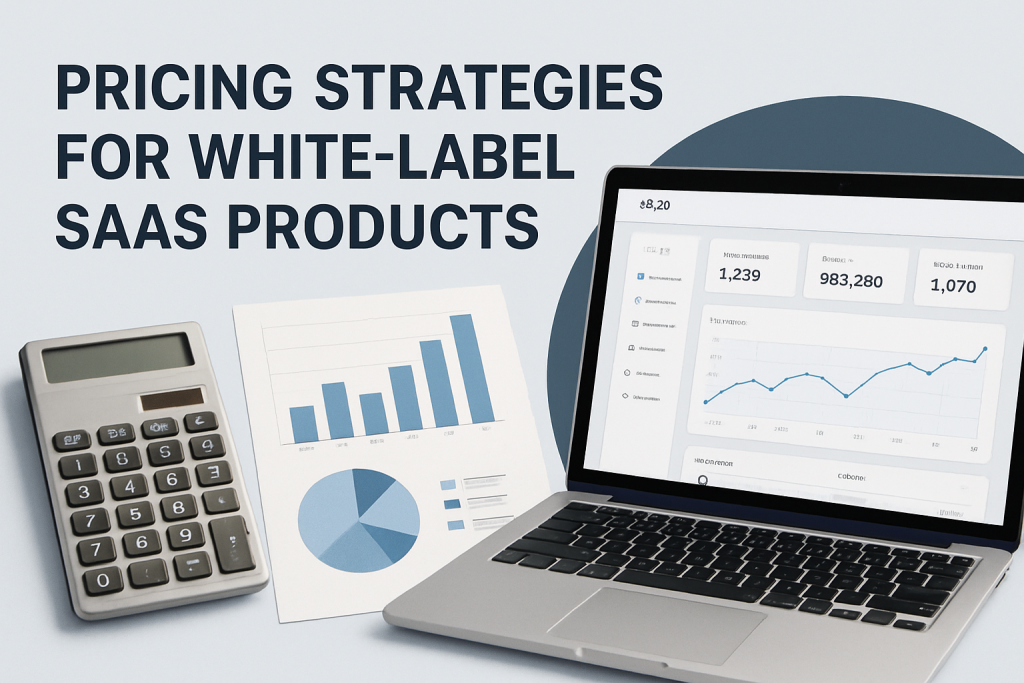
When it comes to reselling white-label SaaS products, pricing strategy is crucial. The right pricing not only ensures profitability but also impacts how potential clients perceive your offerings. Here, we’ll dive into three core pricing strategies: cost-plus, value-based, and competitor-based. Each has its advantages and disadvantages, and knowing when to use them can significantly influence your success.
1. Cost-Plus Pricing Strategy
Cost-plus pricing is one of the simplest methods to establish your product prices. It involves calculating the total cost of providing a product and adding a markup percentage to determine your selling price. Here’s how to implement this strategy:
Step-by-Step Process:
- Calculate Your Costs: Include wholesale costs, hosting, payment gateway fees (like Stripe), and any other operational costs associated with the SaaS product you’re reselling.
- Determine Your Markup: Decide on a profit margin that reflects the value you want to achieve. A common markup in SaaS can range from 30% to 100% depending on the perceived value.
- Set the Price: Use the formula: Price = Total Costs + (Total Costs x Markup Percentage).
Example: If your total costs for a CRM product are $15/month (wholesale), and you want a 50% markup, your selling price would be $22.50/month.
2. Value-Based Pricing Strategy
Value-based pricing focuses on the benefit your product provides to clients rather than solely on your costs. This strategy requires an understanding of your target market and what they are willing to pay for the value they receive.
Implementing Value-Based Pricing:
- Identify Client Needs: Conduct surveys or interviews to understand what features clients value most. For instance, if you’re reselling an AI-driven CRM, find out if clients prioritize automation, analytics, or user interface.
- Assess Competitor Pricing: Analyze competitors (e.g., GoHighLevel’s $97/month for a basic plan) to understand market rates while positioning your product distinctly based on superior features or service.
- Set the Price: Based on the perceived value and your market research, set a competitive price that reflects the unique benefits of your offering.
For example, if your clients value enhanced customer engagement features of your website builder, you might position it between $30-$50/month.
3. Competitor-Based Pricing Strategy
Competitor-based pricing requires you to analyze your competition’s pricing and decide where your product fits in the market. This strategy is beneficial in a crowded marketplace.
How to Use Competitor-Based Pricing:
- Research Competitors: Identify key competitors (like ClickFunnels, which ranges from $97-$497/month) and their pricing structures.
- Analyze Their Offerings: Look at features, customer support, and market positioning. Are you offering more tools for less? Make sure your pricing reflects this.
- Differentiate Your Pricing: Choose whether to price lower to capture market share or higher to position your product as a premium offering.
Example: If a competitor offers similar features for $100/month, pricing your product at $80 could attract budget-conscious customers while maintaining profitability.
Choosing the Right Pricing Strategy
Deciding the best strategy comes down to understanding your market, your costs, and the perceived value of your product. Here are some questions to guide you:
- What are your total costs, and how do they compare against competitors?
- What unique value do you provide that justifies a higher price?
- How price-sensitive is your target audience, and how do they perceive quality?
Actionable Takeaways
To effectively price your white-label SaaS products:
- Perform a detailed cost analysis to understand your bottom line.
- Engage with potential clients to discover what they value most.
- Regularly review competitor pricing and features to stay competitive.
Implementing an effective pricing strategy not only maximizes your profits but also positions your offerings as valuable solutions in the market. Don’t hesitate to tweak your strategies as you grow and as market conditions change.
Conclusion
Mastering the art of pricing white-label SaaS products can set you apart in a competitive landscape. By understanding cost-plus, value-based, and competitor-based pricing, you can choose the strategy that aligns with your business goals. Start implementing these strategies today and watch your resale profits grow!
To kickstart your journey in SaaS reselling, sign up for free at ResellPortal and start offering white-label products that add value!